
I recently read a headline about young people experiencing a mental health crisis and, like many adults, it made me pause. We are hearing more conversations about anxiety, stress and emotional wellbeing in children than ever before. But while the language around mental health has become more common, the feelings themselves are not new. Mental health is something we all have and it does not discriminate by age.
Children feel worry, sadness, frustration, excitement and overwhelm just as deeply as adults do. The difference is that they are still learning how to understand those feelings and what to do with them. As adults, we are still figuring it out ourselves some days. Even with life experience, mental health can be complex. For children, that journey is only just beginning. What they need most is not perfection from the adults around them, but connection, safety and belonging.
Research suggests that around one in five children experience a mental health difficulty at some point, with anxiety and low mood among the most common concerns. Schools and youth organisations continue to report increasing numbers of children who feel overwhelmed, isolated or unsure of where they fit.
At the same time, studies consistently show that a strong sense of belonging is one of the most protective factors for emotional wellbeing. Children who feel connected to safe adults, routines and supportive environments are more likely to develop resilience, confidence and emotional awareness.
Small, consistent interactions such as shared conversations, storytelling and emotional check ins are often highlighted by organisations such as YoungMinds, the NHS, Barnardo’s and Place2Be as powerful ways to support children’s mental health.
Why Children's Mental Health Week matters
Children’s Mental Health Week focuses on the theme of belonging. As a teacher and a mum, what I have come to understand is that when children feel they belong, they are more likely to feel confident expressing emotions, developing resilience and forming healthy relationships.
Belonging is not about fitting in or meeting expectations. It is about knowing you are accepted and understood. When children feel this, they develop an emotional security that allows them to express themselves, experience big feelings and still feel connected to the people and environments around them.
As a mother of young children, and as someone who was widowed at the age of 30 while raising two small girls, children’s mental health is not just a professional interest for me, it is deeply personal.
Navigating grief as a family brought emotional challenges that could not be rushed or ignored. It highlighted how vital it is for children to feel emotionally supported and grounded, especially during times of change and uncertainty. Belonging does not mean everything is always easy. It means a child knows there is a place where they are understood, even on hard days.
Nurturing a sense of belonging at home
We often assume belonging happens naturally, but it can also be created intentionally through small, consistent moments. It grows in everyday routines. Conversations at the table, shared stories at bedtime, quiet check ins after school. When children know they have safe people and safe spaces, they begin to trust that their feelings can be held and understood.
Supporting children’s mental health is not about removing every challenge. It is about giving them tools and strategies so they can recognise, understand and work through their emotions. Emotional literacy, the ability to name and understand feelings, develops over time. The more opportunities children have to explore emotions in safe ways, the more confident they become in managing them.
Children do not always learn best through direct conversation. They learn through play, storytelling, routine and shared experiences. By weaving emotional learning naturally into daily life, we help children build these skills without it feeling like a lesson.
Research in child development continues to show that activities such as storytelling, journaling, play-based conversations and sensory regulation can help children process emotions in ways that feel safe and natural. These approaches support the nervous system and help children feel calm enough to talk, reflect and connect.
Simple ways to build belonging and emotional understanding
1. Bedtime stories and reflection
Bedtime can be a gentle space for connection. Reading stories that explore feelings, friendships or worries helps children recognise emotions in themselves. After reading, a simple question like “How do you think that character felt?” or “Did anything like that happen today?” can open small, meaningful conversations.
2. Emotion check-ins
A daily check in can be as simple as asking children to name one feeling from their day. Some families use a rose, thorn and bud approach. A good moment, a tricky moment and something they are looking forward to. This builds emotional awareness without pressure.
3. Journals and drawing spaces
Not all children want to talk straight away. Offering a small notebook, feelings journal or drawing time gives them a private way to express themselves. Younger children might draw faces or colours to represent feelings. Older children might write a few words. The goal is not perfection. It is expression.
4. Naming emotions in everyday moments
When children are upset or overwhelmed, gently naming what you see can help them understand their feelings.
“It looks like you are feeling frustrated.”
“That seemed disappointing.”
This teaches children that emotions have names and can be talked about safely.
5. Safe people and safe places
Children benefit from knowing who they can turn to when they need support. This might be a parent, teacher, relative or friend. Reminding children that they have safe people who will listen helps them feel secure. Creating a calm space at home, such as a cosy corner with books, soft items or sensory tools, can offer comfort when emotions feel big.
Sensory toys and fidgets can be a helpful part of this space. Items such as stress balls, soft textures, weighted toys, putty, fidget spinners or calming lights can support regulation and focus. For many children, sensory input helps the body settle before the mind can process feelings. Having access to these tools without judgement shows children that it is okay to find gentle ways to calm themselves. Over time, they begin to recognise what helps them feel grounded and secure.
6. Normalising feelings
One of the most powerful messages we can give children is that all feelings are allowed. Happiness, anger, sadness, excitement and worry are part of being human. When we acknowledge emotions without dismissing them, children learn that feelings come and go and can be managed. They learn that asking for help is safe.
Belonging as the foundation
For me, this will always be both professional and deeply personal. As a mum raising young children while navigating loss and change, I have seen how powerful it is when children feel safe, heard and rooted in belonging. We cannot protect them from every difficult moment, and we are not meant to. But we can create homes and communities where they know their feelings are welcome, where they have tools to make sense of what is happening inside them, and where they are reminded again and again that they are not alone.
Belonging does not come from grand gestures. It grows quietly in everyday connection. In listening, in sitting beside them, in making space for their emotions and in reminding them that they have a place in this world exactly as they are. When we give children that sense of belonging, we give them something they carry with them long after childhood. A foundation of safety, resilience and knowing they are understood.
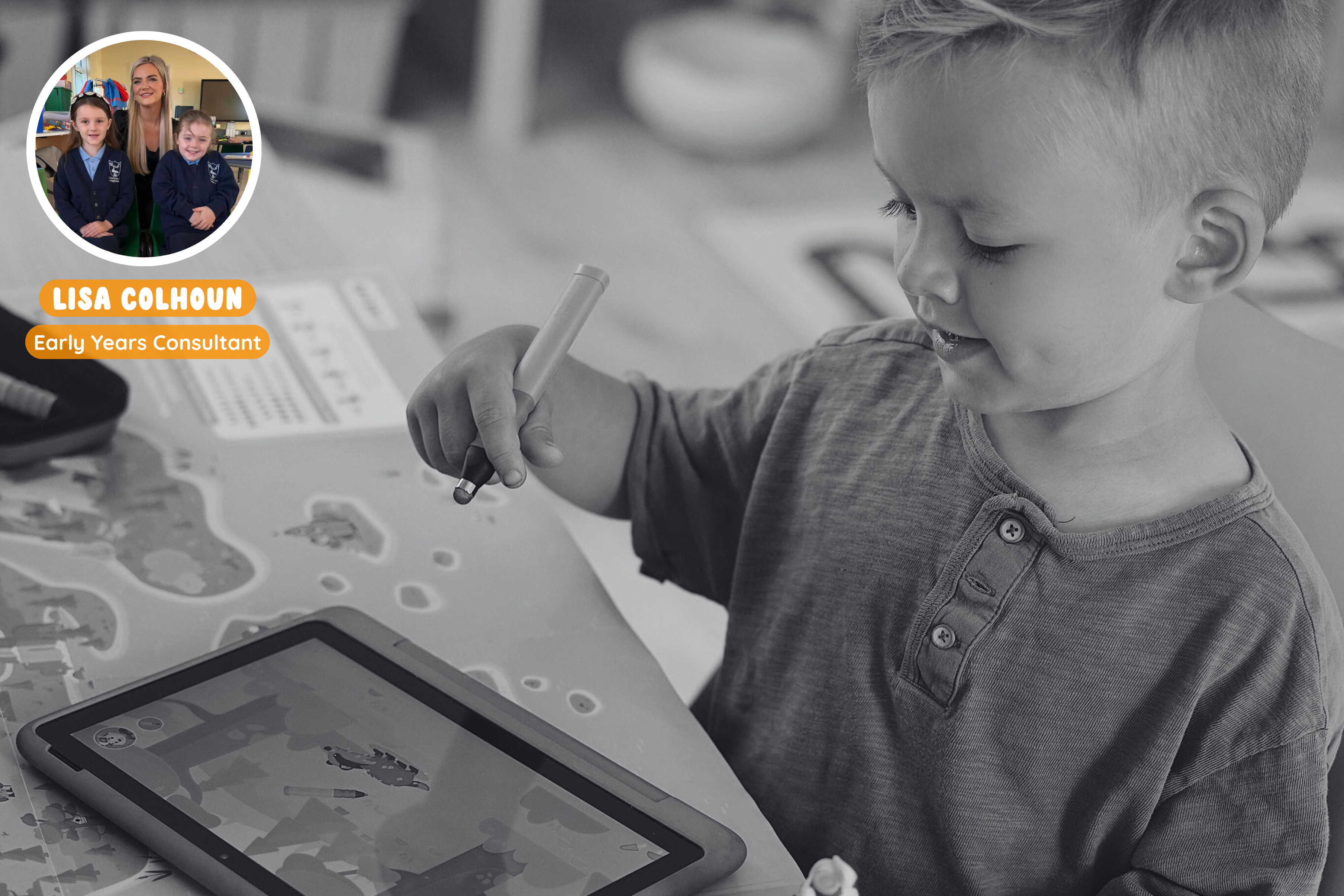
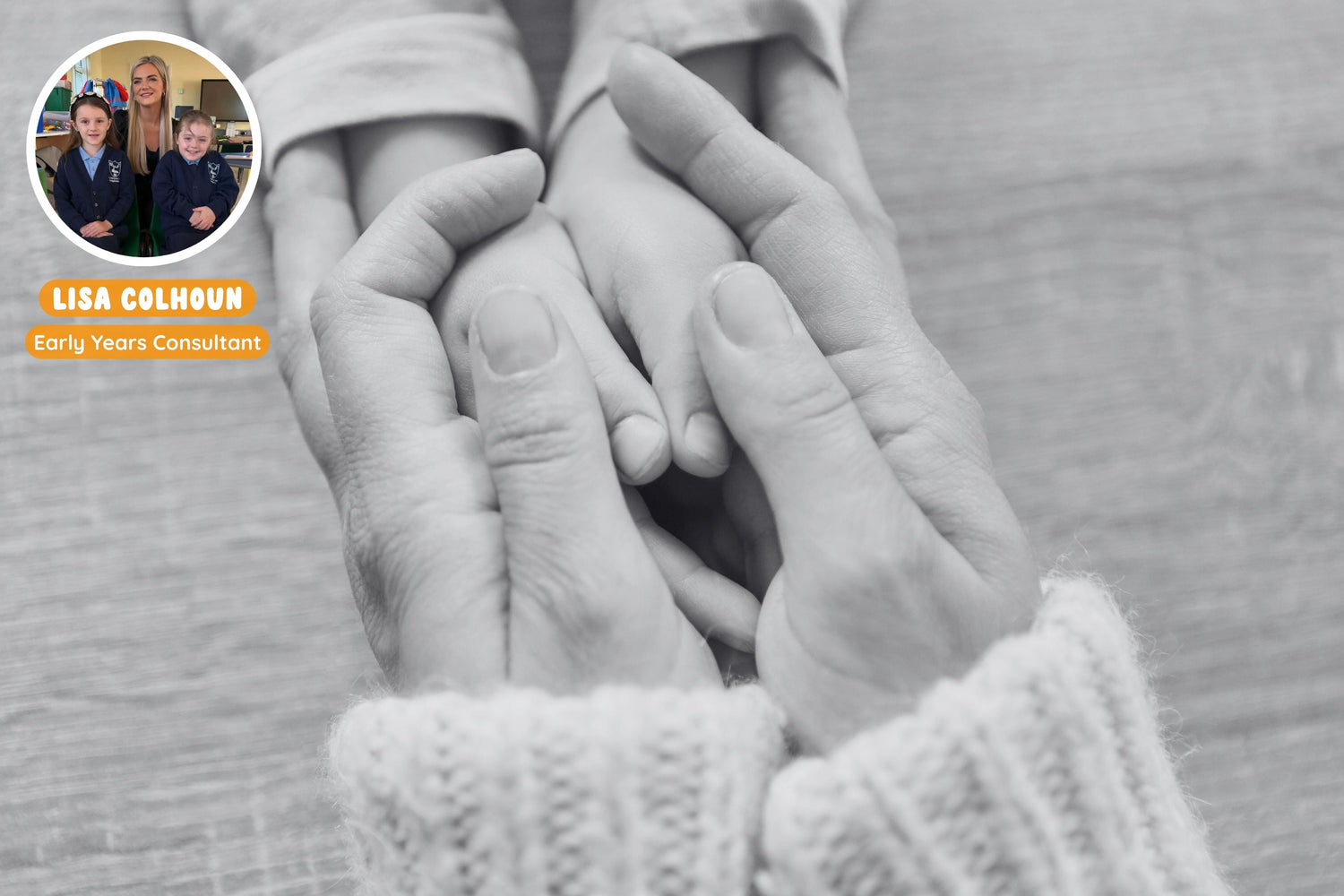
Lisa Colhoun is the founder of One Small Step, an Early Years consultant with over 10 years experience as a teacher in EYFS and Key Stage One and a Mum of five.