
At EDURINO, we believe that children are experts in learning. That’s why we don’t just design educational games for kids—we co-create them with kids.
So, how can parents and teachers do the same? In this article, we’ll share how we test our learning experiences with children—and how you can use these insights to support your own learners at home or in the classroom.
Why Collaboration with Children Matters
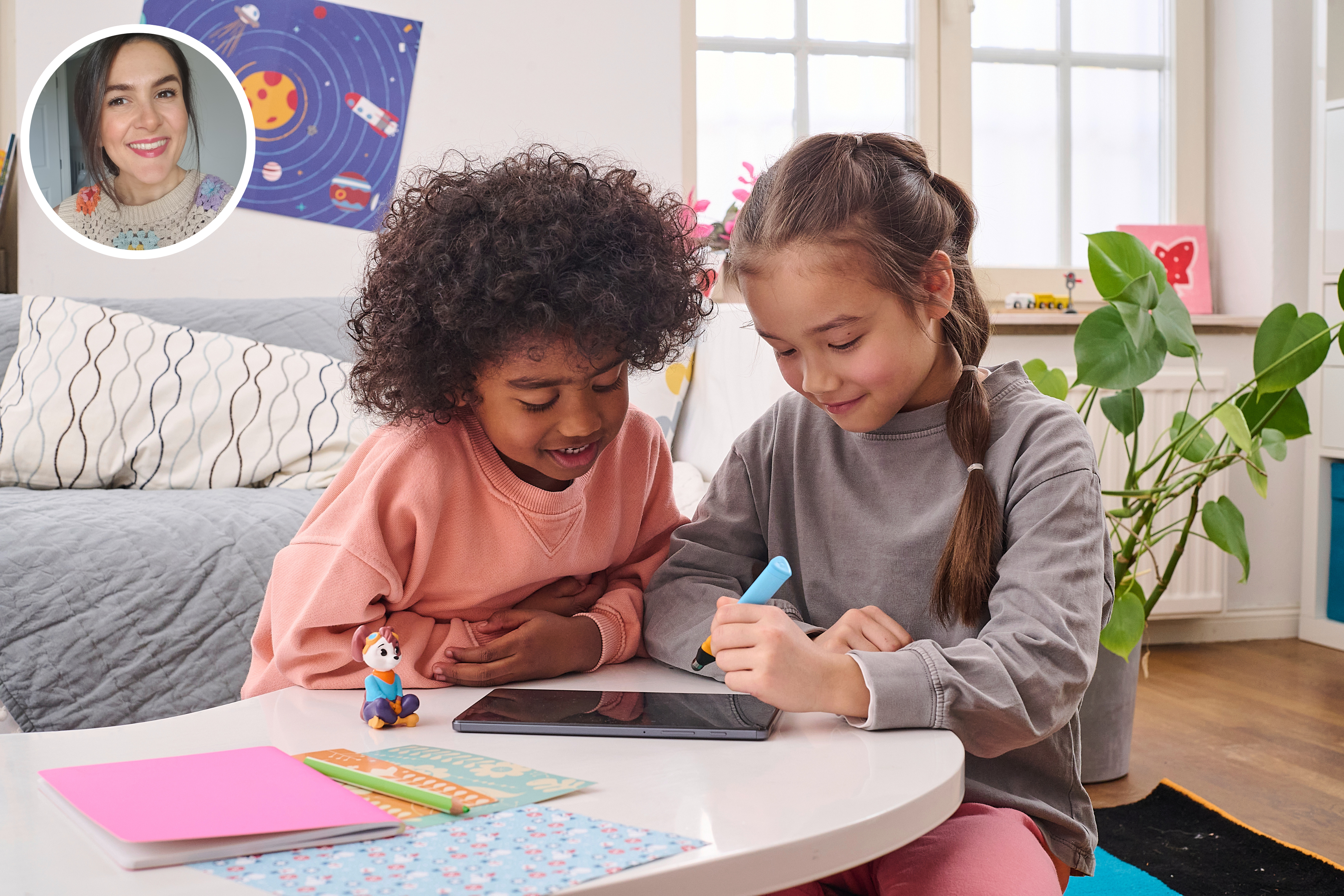
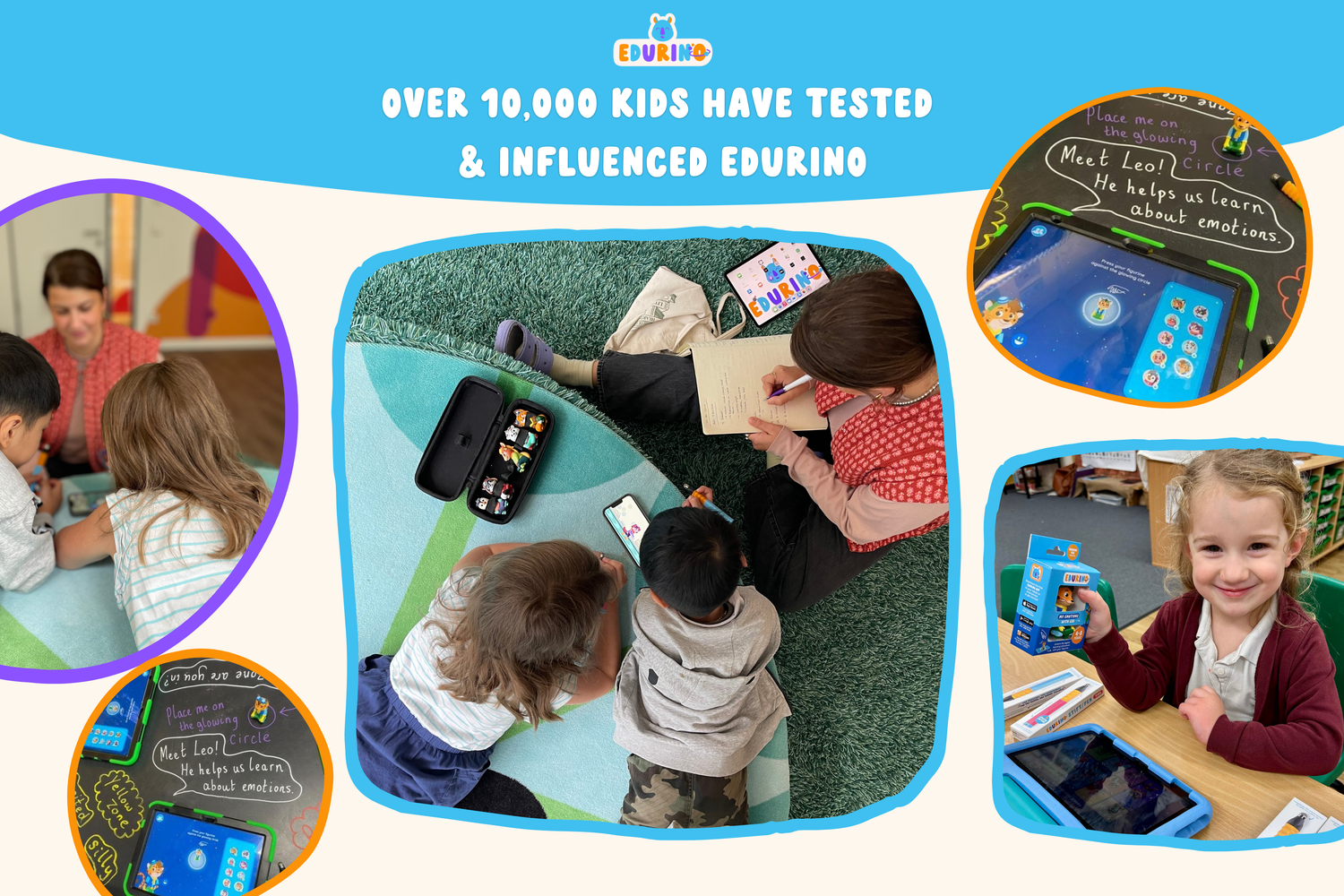
Imagine a group of 5-year-olds eagerly exploring the EDURINO world—gripping our ergonomic pen, diving into their favourite games. Some breeze through challenges; others hesitate, frowning. Some burst into giggles, while others grow frustrated.
These moments tell us more than any data report ever could. By testing in real classrooms, we ensure that our learning worlds feel fun, intuitive, and enhance understanding and attainment in their subject area.
Try This at Home or in Class:
Observe how children interact with new learning tools. Do they get excited? Do they struggle? Where do they naturally appear motivated or hesitant? Small cues can reveal whether an activity is engaging and age appropriate for your learner(s).
What We’ve Learned: Three Takeaways for Educators & Parents
-
Meet Kids Where They Are
Children learn best when challenges feel just right—not too hard, but not too easy. Our classroom testing helps us fine-tune difficulty levels so that every child feels motivated to keep going.
Tip: When introducing a new activity, start with a "warm-up round" where kids can explore freely before structured learning begins. This reduces frustration and boosts confidence.
-
Make Learning Playful
We believe in the power of the Giggle Factor—if kids aren’t having fun, they won’t stay engaged long enough to learn. That’s why we test whether our games spark joy and curiosity (yes, burps are often a hit).
Tip: Watch for genuine smiles and laughter—they indicate real engagement. If a child is unresponsive, consider tweaking the format (e.g., turn a quiz into a hands-on game).
-
Feedback is Gold
Instead of assuming what works, we listen. By collecting feedback from children, teachers, and parents, we refine every element of EDURINO.
Top Tips for Assessing Learning:
Ask children open-ended questions like:
-
"What was your favourite part?"
-
“Was anything too tricky or confusing?"
-
“If you could change one thing, what would it be?"
How Classroom Insights Shape EDURINO
We apply these lessons in real-time to improve our product:
-
10,000+ children have tested and influenced EDURINO to date…!
-
97% of parents agree that EDURINO helps their child learn and develop important skills.
Feedback from teachers at our partner schools within the London Early Years Foundation:
EDURINO and Key Skills:
“I now see it as a valuable part of early education. All the benefits we’ve seen, especially for this age group, have made me appreciate it more. It’s very supportive, especially in literacy and numeracy.”
“The pen is especially helpful. They’re developing their fine motor skills through pen control.”
EDURINO and Digital Literacy:
“The children are really captivated and engaged. I see their enthusiasm as soon as we bring it out. They’re excited and want to join in.”
“I am a special needs teacher and I am really enthusiastic about how child-friendly, motivating and educationally valuable the app is. The pen is great, the timer function is top quality. We love Edurino.”
We are lucky to have collaborated with giants in the field of educational research from Cambridge University and University College London - their insights also help shape our curriculum, ensuring that EDURINO aligns with early learning goals. Learn more here.
Bringing the Classroom to Your Home
Whether in school or at home, learning should be fun, effective, and designed with children in mind. Next time your child is learning something new, try out these simple testing techniques—and watch how small adjustments can make a big difference!
How do you test and refine learning activities for children? Reach out on Instagram - we’d love to hear from you!